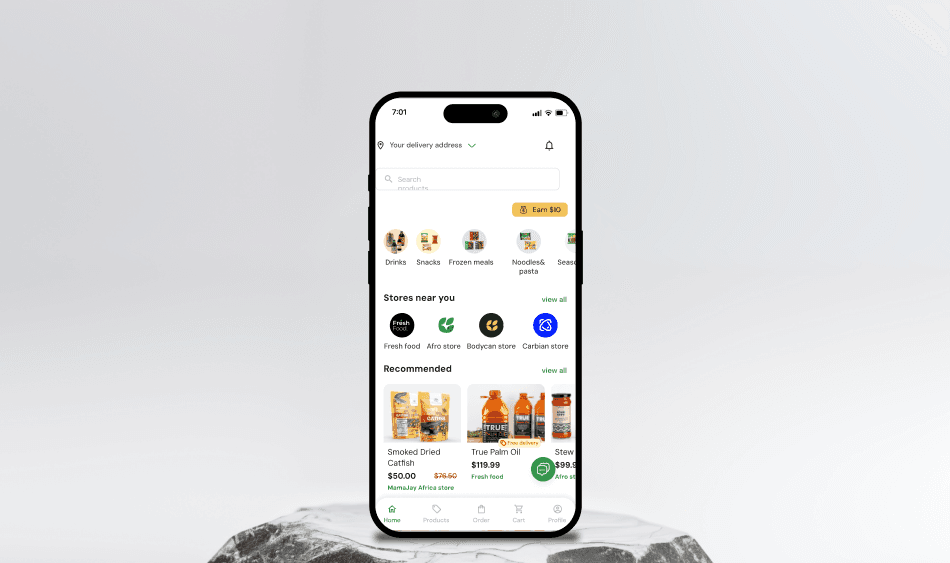
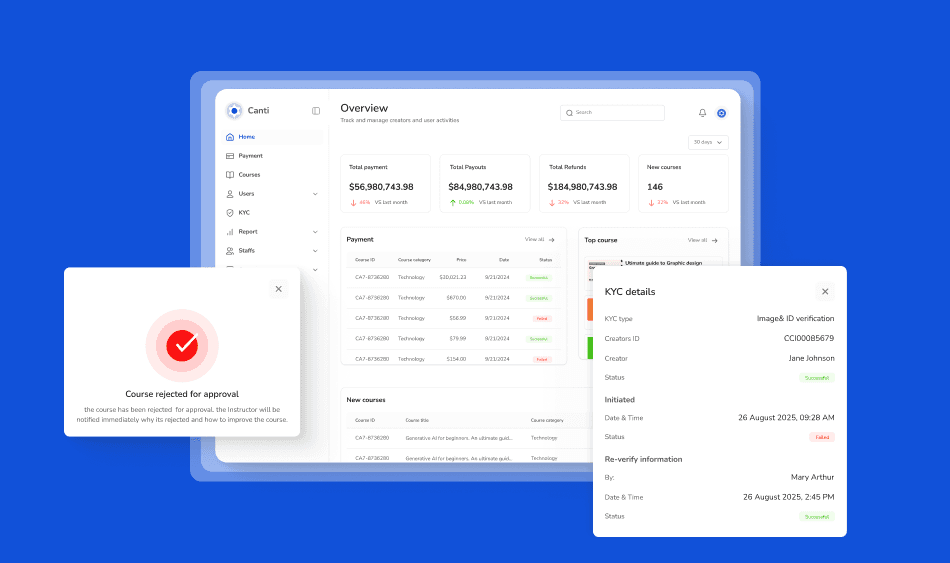
Homechow: Redefining quick fresh meals for companies and individual in Newyork
Designing mobile app, food Kiosk experience designed to help workers and individual access fresh, hot meal.
Role
UX/UI Designer
Industry
Food & Beverage
Duration
2022 (12 weeks) and 2024 (8 weeks):

🥗 Redefining quick, fresh meals for companies and individuals in the USA
The Homechow project spans multiple platforms, applications, and types of users over several years, from 2022 to 2025. Over time, the product has evolved from a subscription-based hot meals solution for individuals and families into a B2B meals solution for companies. Along the way, Homechow has partnered with and provided technology solutions to existing businesses in the food sector, including Aramark, Canteen, Avi Food Systems, and many others.
The goal has consistently been to design products that solve evolving business needs—needs that shift based on seasons and goals at any given time—while better serving customers. This ongoing evolution has led to the design and redesign of multiple applications across the ecosystem.
Key products within the Homechow ecosystem include:
Homechow Website
Homechow Consumer App
Homechow Partners App for both business and inventory partners
Homechow Hot Meal Food Kiosk Interface
Introducing Homechow
Homechow launched in Rochester in 2022 as a subscription-based meal delivery service, offering freshly prepared meals daily through mobile and web applications. Users could select meal plans, individual, family, or organization, customize preferences, and manage subscriptions designed to save both time and cost.
2023 Pivot
In 2023, the business pivoted away from delivery and began operating physical food kiosks that served fresh meals on-site. This shift marked a fundamental change in how customers interacted with the product and how meals were distributed.
🎯 The Problems
2024 Pivot
Market Shift
Subscription-based meal delivery became less feasible and less strategic. The transition to food kiosks introduced new customer touchpoints that required rethinking the entire user experience.Digital Gap
The existing website primarily targeted investors and partners. It did not adequately support end users who needed to locate kiosks, understand availability, and order meals on-site.Partners App Complexity
The partners app needed to be designed to meet the needs of multiple partner types, including those responsible for tracking leased kiosk sales and those managing inventory operations.On-Site UX Challenges
Kiosk interfaces required clear handling of sold-out items and full stock-depletion states to prevent confusion and reduce user frustration during ordering.

🔍 Research & Insight
Research in 2022
When designing the product in 2022, after validating the problem we were solving, I studied existing products in the market, including:
HelloFresh
Blue Apron
Purple Carrot
Green Chef
DoorDash
UberEats
I mapped the strengths and weaknesses of these existing solutions to identify market gaps and positioning advantages that could be used in the design to help Homechow stand out in the market.
Research Changes in 2024
With an existing customer base in place, and after understanding the updated problem brief, I analyzed existing data to uncover the fundamental problems that needed to be solved. I also joined meetings to gather overhead from partners on the product, allowing me to design solutions that better met their needs.
This phase included:
Data analysis to identify core usability and operational issues
Partner input gathered through ongoing meetings to understand real operational constraints
Stakeholder alignment
Collaborated with product managers and business leads to understand the kiosk rollout strategy and evolving customer expectations.User insights for the website
Surveyed existing subscribers and potential kiosk users to understand how they discover meal services online, and assessed which content and layouts drive kiosk visits.Kiosk UX context
Reviewed reports and observed on-site ordering at pilot kiosks to identify pain points when items sell out, and evaluated best practices for food-service kiosk interfaces.
Soutions
Over my years working with Homechow, I have worked across multiple products and collaborated closely with sales, stakeholders, and engineering teams to design and redesign product experiences across different application interfaces.
Website & Kiosk
Shifted the website content hierarchy from investor-focused metrics to customer-driven actions, sketching a homepage that emphasized “Find a Kiosk” and menu previews.
Designed the partners page to highlight existing partners while providing prospective partners and investors with a clear guide on how to join the ecosystem.
Redesigned all major website pages, including but not limited to: Homepage, About Us, Media, Careers, Locations, Menu, Kitchens, and additional supporting pages.
Kiosk
Kiosk wireframes
Designed key screens using paper and whiteboard explorations, including the home screen, menu grid, sold-out overlays, and full sold-out states.Interactive kiosk prototype
Built an interactive Figma prototype that emulated touch interactions and real kiosk behavior. The prototype was tested with the internal team and pilot users, and also evaluated heuristically to ensure clarity when items sell out.Iteration & refinement
Designs were iterated based on feedback, with a focus on reducing decision friction and handling edge cases gracefully, particularly around partial and full stock depletion.

Consumer App
App redesign for kiosk integration
Redesigned the customer app experience to support the kiosk-based model while accounting for technical constraints introduced by on-site hardware and real-time inventory.Core features
The redesigned experience included, but was not limited to:Location-based search
Finding the nearest kiosk
Reserving a meal ahead of arrival
Self-navigation to the kiosk
Verification information to retrieve meals from the kiosk within minutes
(Full flow is available based on request due to NDA.)


🚀 Impact &Results
Improved kiosk usability
Clear sold-out and full-depletion states reduced confusion during on-site ordering and helped set accurate expectations for customers interacting with kiosks.
Stronger alignment with the business pivot
The redesigned website and customer app better supported the transition from subscription delivery to physical kiosks by prioritizing kiosk discovery, location-based search, and on-site meal retrieval.Operational clarity for partners
Research-driven updates to partner-facing experiences supported different partner types, enabling clearer visibility into kiosk sales performance and inventory responsibilities.Faster decision-making across teams
Wireframes, prototypes, and iterative testing created a shared understanding between design, engineering, product, and business stakeholders, allowing teams to move faster while managing technical and operational constraints.Scalable design foundation
The multi-platform redesign established reusable patterns and workflows that could adapt to seasonal changes, kiosk expansion, and evolving business goals from 2022 through 2025.
🎓 Key Takeaways
Homechow represents a multi-year product evolution driven by shifting business strategy, market realities, and operational constraints. From subscription meal delivery to a kiosk-based food platform, the work required continuous redesign across the website, consumer app, partner tools, and on-site kiosk interfaces. Through research, data analysis, and close collaboration with stakeholders, each experience was shaped to support changing business needs while reducing friction for customers and partners. The result is a scalable, adaptable product ecosystem that enabled Homechow to pivot successfully, support growth, and respond to seasonal and strategic change from 2022 through 2025.
📣 Call to Action
If you’d like to see full Figma prototypes, flow diagrams, or discuss how this project demonstrates my ability to lead design through pivots and complex UX challenges, let’s connect!
adeyemotolulope2@gmail.co